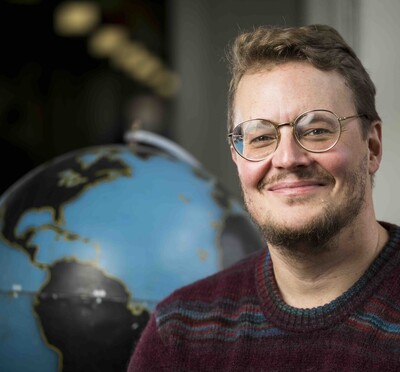
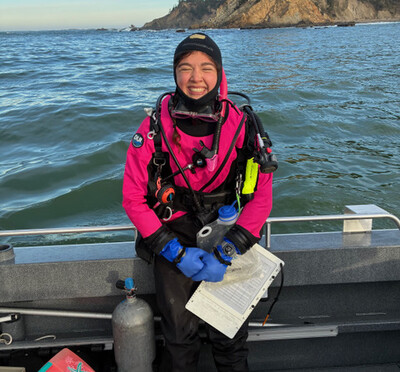
10 Questions With… James Osborne, professor and director of the Oregon Wine Research Institute and the recently appointed president of the American Society of Enology and Viticulture.
What originally brought you to Oregon State and how long have you been here?
I came to OSU in September 2006 to begin a job as an assistant professor and Extension specialist in the Department of Food Science and Technology. I was working in my native New Zealand before coming to Corvallis. However, I had attended graduate school at WSU and really liked the Pacific Northwest area, so moving to Oregon for an academic position was an exciting opportunity I couldn’t pass up.
What makes you passionate about higher education?
As a student, I always enjoyed the opportunities that education provided me and the energy that existed on campus. Coming from a small rural town, the university gave me the opportunity to meet students from all over the world and study subjects I was particularly interested in. As a professor, it’s been a privilege to work with passionate, bright and inquisitive students to help develop the skills, understanding and professional approach needed to succeed in their careers. I also have appreciated the connection that OSU, as a land-grant university, has to the industries it supports. It is always rewarding to see the ‘real world’ impact that our research can have, as well as to observe the success of our graduates.
How has the Oregon wine industry evolved since you first started working here?
The Oregon wine industry has grown tremendously in the last 15-20 years. It has continued to build its world-class reputation for producing premium wines and has also become a very dynamic and innovative industry. Grape and wine production techniques have continued to evolve with a blend of traditional approaches and adoption of new technologies and approaches.
What advice would you give the younger version of yourself who was just starting college?
My main piece of advice would be to put myself out there more and get outside my bubble. I enjoy being comfortable, but doing things that have pushed me outside my comfort zone has often resulted in the most rewarding experiences.
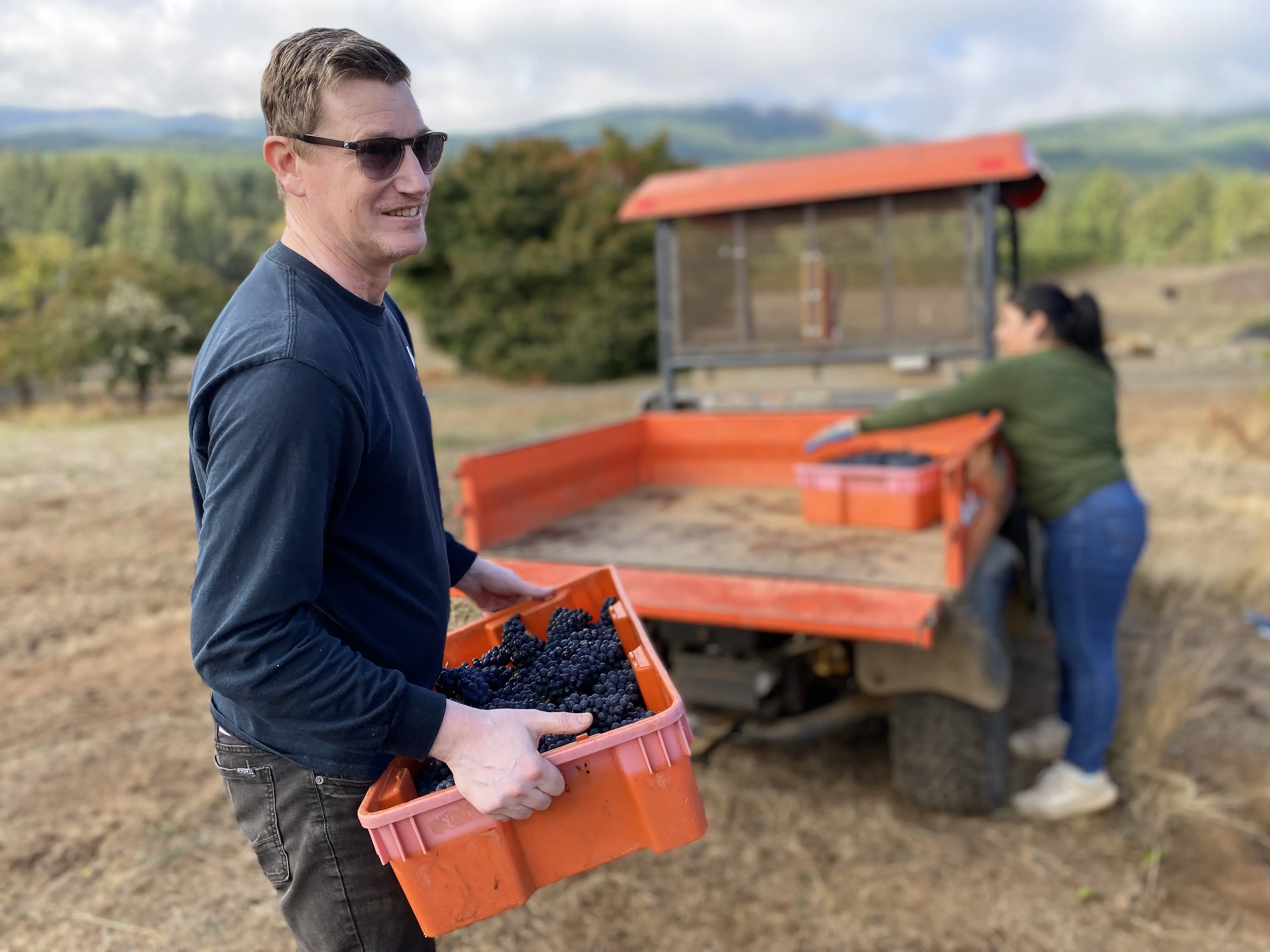
As the state-wide Enology Extension Specialist, what kind of concerns or questions dominate your conversations with growers and winery operators in Oregon?
The types of questions I receive and conversations I have tend to be related to the time of year and what is happening in the winemaking process. During harvest, most conversations center on how the grapes are maturing and any winemaking issues that may arise. Bigger picture, industry discussions have focused on preparing and adapting to climate challenges as well as navigating an increasingly difficult and competitive wine market.
What was your favorite course in college?
My favorite course in college was “Applied and Environmental Microbiology.” This course exposed me to fermentation microbiology and the utilization of microbes to produce delicious products. It is what set me on the path to studying wine science.
How do you get wine drinkers to understand that microorganisms are as important to good wine as the type of grapes used?
Well, you don’t get wine if you don’t have microorganisms, so the importance of transforming grape juice into wine isn’t a hard sell. The grapes are still the most important part of the process and have the greatest impact on quality. To make a high-quality wine, you must have high-quality grapes. But managing how you use microorganisms during winemaking can lead to the creation of complexity and different wine styles. It still fascinates me when I consider all the compounds that are produced by microbes during winemaking, and how you can taste this all in a glass of wine.
How has your role as director of the Oregon Wine Research Institute shaped the work you do at OSU?
In my role as OWRI Director, I get to share with the wine industry all of the wonderful research that our scientists are conducting and the applications it may have for their businesses. Rather than only focusing on what my lab is working on, I need to have a broader understanding of what the entire OWRI group is working on so I can help make connections, facilitate collaborations and accurately advocate for the group. I continue to work closely with industry partners and work with the College of Agricultural Sciences leadership to develop more long-term strategic goals.
Who inspires you either personally or professionally in your work?
Someone who has inspired me personally and professionally is my grandpa. He was not a man of many words, but he always led by example. When he did give his opinion or offer advice, people appreciated it and placed value in what he shared.
What is your favorite non-academic pursuit or passion?
I enjoy listening to music, and tinkering with stereo equipment has become a small hobby recently. I also enjoy playing golf when I get the time and the weather cooperates.