As part of recent state legislation, Oregon State University researcher Patricia Fifita is working to create and promote social studies curriculum about Pacific Islander and Native Hawaiian history and culture for K-12 students.
Oregon is the first state in the country to develop specific Pacific Islander and Native Hawaiian social studies curriculum, disaggregated from the typical “Asian/Pacific” umbrella category.
In Oregon, Pacific Islanders and Native Hawaiians are one of the fastest-growing ethnic groups in the state, with the population rising by 54% from 2010 to 2020, according to census data.
A 2023 bill directed the Oregon Department of Education to develop and implement a statewide education plan for Native Hawaiian and Pacific Islander students, joining the larger Student Success Act from 2019 that established student success plans for African American/Black students, American Indian/Alaska Native students, Latinx and Indigenous student and LGBTQ2SIA students. A new plan for immigrant and refugee students is also in the works after the 2024 legislative session.
“These student success plans are attempting to see the student as a whole person embedded in a complex environment and community, and to more carefully address the needs of these specific groups and communities,” said Fifita, an assistant professor of ethnic studies in the School of Language, Culture and Society in the College of Liberal Arts.
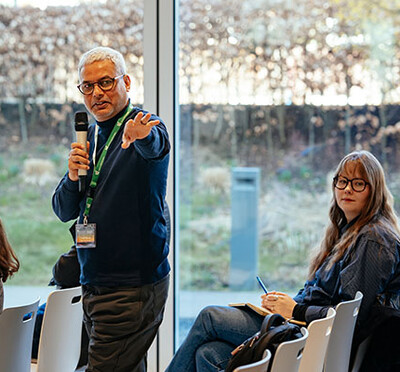
Fifita is working with Lana Lopesi, assistant professor of Pacific studies at the University of Oregon. This spring, they held several “talanoa” sessions to interview Pacific Islander community leaders, students and educators about what’s currently in the curriculum and what gaps need to be filled. (Talanoa is Tongan for “to talk or converse” and describes a Pacific Islander methodology for sharing stories in a critical yet respectful manner.) Fifita and Lopesi will continue consulting with curriculum specialists to create lesson plans that are appropriate for different grade levels of K-12 social studies classes.
Once complete, the curriculum will be available on the Oregon Educational Resources Commons, known as the Oregon Hub, where teachers can search for lessons and materials on specific topics they want to share with students.
Under the legislative mandate, all Oregon schools must incorporate the state’s new ethnic studies standards starting in the 2026-27 school year, but it’ll be up to each district to decide which of the many pieces of that curriculum to include. Fifita said she and Lopesi want to offer lots of options, from full lessons to multimedia and short stories, so that educators can more easily find ways to slot Pacific Islander content into their annual teaching plans. They’ll also work with community groups to promote and highlight the Pacific Islander curriculum among teachers and school districts.
“This effort is motivated by the lack of Pacific Islander representation and Pacific Islander histories within the social studies curriculum,” Fifita said. “We feel our curriculum will have a broader impact and implications in terms of educating the general population, but then for students who are Native Hawaiian and Pacific Islander, it will allow them to see themselves in the curriculum and grow a deeper sense of belonging, and to uplift their identities.”
Though Oceania and the Pacific islands represent a third of the globe, the stories of the communities who live there are often marginalized, Fifita said: People see a vast empty expanse of ocean, without understanding the histories of thousands of unique island cultures.
Some examples that Fifita is excited to add to the curriculum include the history of long-distance sea voyaging and navigation, and how it influenced the settlement of the Pacific and the interconnectedness of different islands. (Fifita served as a Tongan cultural consultant on Disney’s Moana 2, which focuses on seafaring islanders.)
She’s also planning to cover the history of Pacific Islanders in the Pacific Northwest, in part by highlighting Pacific Islander place names in the Northwest that connect the histories of the two regions.
“We have a lot of opportunities today to explore the experiences of Pacific Islanders, and by following their journey into the diaspora, we can connect back to these histories that are often not taught or understood within the standard social studies or history class,” Fifita said.
The curriculum will look critically at the relationships between the U.S. and the Pacific, with the U.S.’s history of colonization and militarization in places like Hawaii, American Samoa and Guam.
“There can be a lot of misconceptions about who these communities are and what they represent as new immigrants coming into the state of Oregon, and more generally to the West Coast of the United States,” Fifita said. “Being able to have a greater understanding of these communities can help folks feel a deeper sense of appreciation and connection to students that carry these identities.
“Having a better understanding of those histories and cultures can help dispel negative stereotypes that are typically associated with Pacific Islanders."
Fifita and Lopesi hope that by increasing understanding and dispelling stereotypes, they will also help address the disproportionately high rates of disciplinary actions exercised against Native American and Pacific Islander students.
“We feel really excited to be a part of this new movement here in Oregon to set a precedent, hopefully, for the rest of the country,” Fifita said.